Waterford FC's Remarkable 1980s Revival: A Tale of Determination
The 1980s were a transformative decade for Waterford FC, a time when the club not only sought to reclaim its former glory but also to adapt to the changing landscape of Irish football. After a period of relative decline following their golden era in the 1970s, The Blues faced numerous challenges, both on and off the pitch. However, it was this very adversity that forged the club’s identity and set the stage for their remarkable revival.
In the early part of the decade, Waterford struggled to maintain their status in the top tier of Irish football. A series of underwhelming performances left fans yearning for the days of past triumphs. Recognizing the need for change, the club’s management made strategic decisions aimed at revitalizing the squad. This included bringing in fresh talent and focusing on youth development, which would prove crucial in laying the groundwork for success.
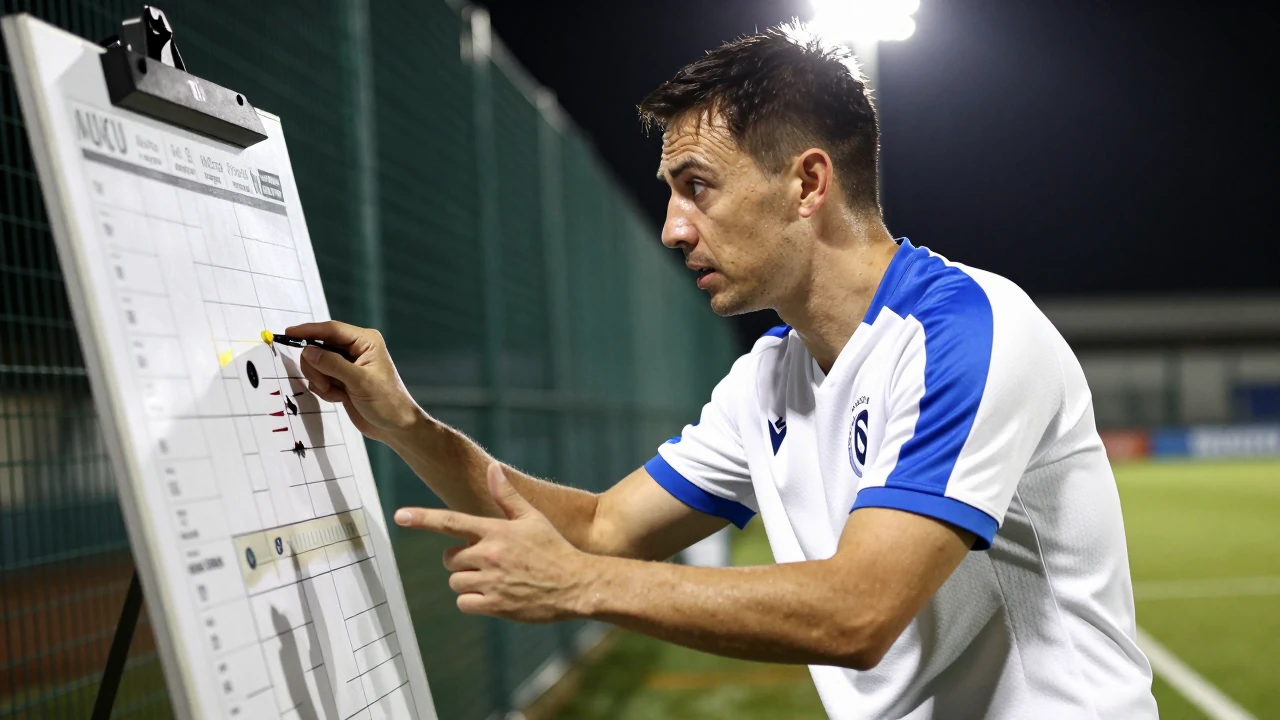
One of the key figures during this period was manager Jim McLaughlin, who took the reins in 1985. His appointment marked a turning point for the club. McLaughlin, known for his tactical acumen and ability to inspire players, instilled a sense of belief and determination within the squad. Under his guidance, Waterford began to climb the league table, showcasing a brand of football that combined tenacity with skill.
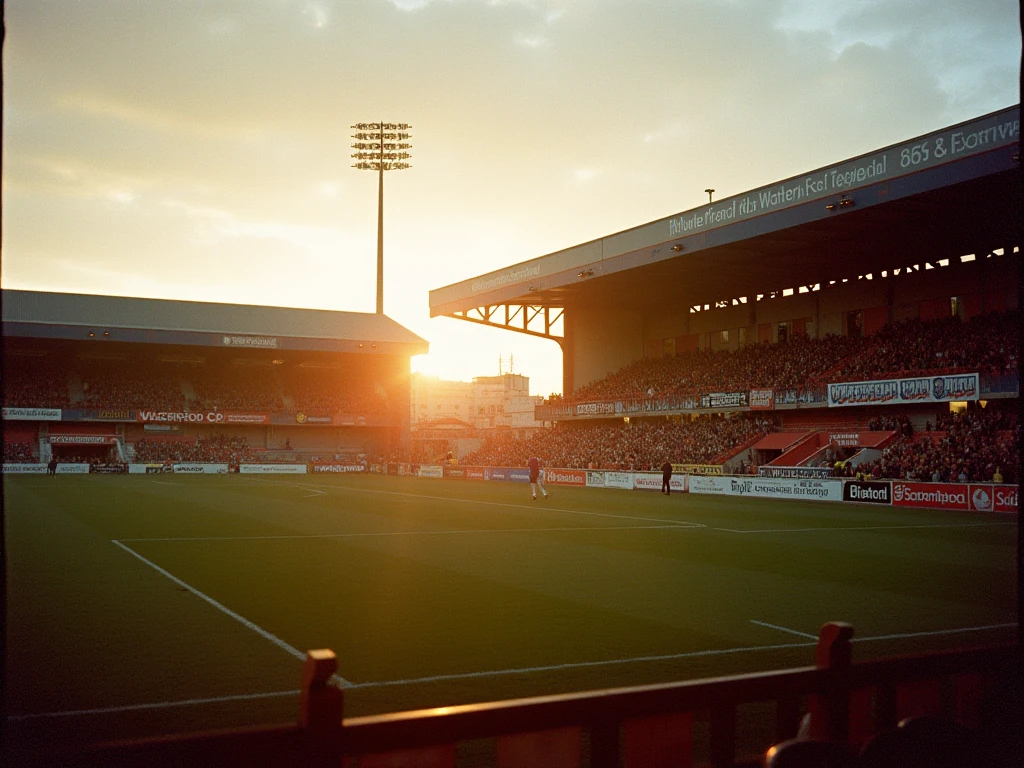
The 1986-87 season is particularly noteworthy, as it saw Waterford FC rise to prominence once more. The squad, bolstered by a blend of experienced campaigners and emerging talents, developed a reputation for resilience. Matches at the Waterford Regional Sports Centre became a fortress, with fans rallying behind their team in impressive numbers. The atmosphere was electric, and every home game felt like a celebration of local pride and community spirit.
One of the highlights of this revival was the club's performance in the FAI Cup. Waterford made a deep run in the tournament, capturing the hearts of supporters with their fighting spirit and determination. The Blues’ journey in the cup showcased the skill of key players such as David Miskella and Tony O'Dowd, whose contributions were vital to the team’s success. Their performances not only inspired their teammates but also reignited the passion of the fanbase, drawing larger crowds to matches and fostering a renewed sense of optimism.
As the 1980s progressed, Waterford FC continued to build on their successes, qualifying for European competitions and solidifying their place among the elite clubs in Irish football. This era was characterized by a strong camaraderie within the squad, as players rallied together to overcome challenges both on and off the pitch. The lessons learned during this tumultuous decade would lay the foundation for future generations of players and supporters.
In conclusion, the 1980s represent a significant chapter in the history of Waterford FC. The club's revival during this period was not merely a matter of winning matches; it was about resilience, community, and the indomitable spirit of The Blues. As we reflect on this era, it serves as a reminder of the club's enduring legacy and its ability to rise again, no matter the obstacles faced.