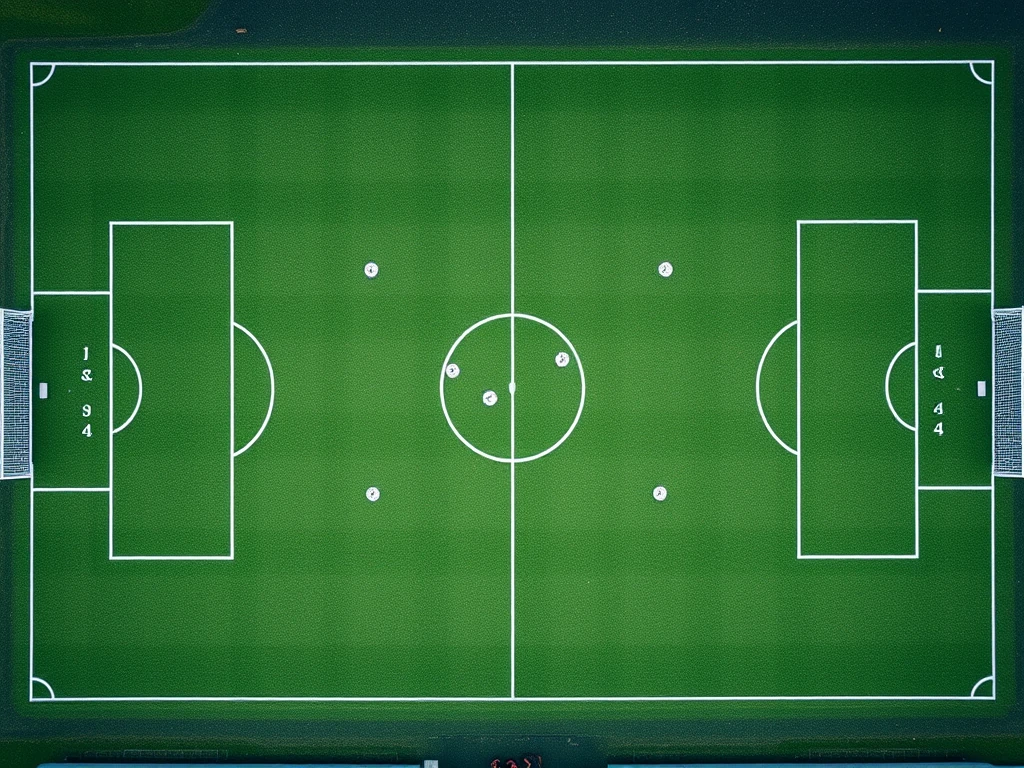

As the League of Ireland Premier progresses, Waterford's tactical setup has come under scrutiny. Recent matches reveal a club that has adapted its formation with notable flexibility, primarily shifting between a 4-2-3-1 and a 4-3-3 depending on the opponent. This adaptability is crucial as they face teams like Cork City and Shamrock Rovers,
When chosen, the 4-2-3-1 formation allows for more control in midfield, with H. Cann and C. Barrett acting as dual defensive shields. This formation provides support to the creative talents of players like J. Faria and S. Glenfield, who can exploit gaps in opposing defenses. Moreover, having two strikers upfront in the 4-3-3 gives depth to their attacking gameplay, evident in their recent fixtures where they scored from quick transitions.
Communication between players has improved, particularly on defensive responsibilities. Igor Bacela's presence between the posts not only adds reliability but encourages defenders to push higher up the pitch, knowing a strong last line exists. This strategic risk has paid dividends lately, allowing Waterford to recover possession higher up the field and execute swift counterattacks.
when faced with high-pressing teams, Waterford's tactical breakdown showcases the ability to retain possession under pressure. The midfield's ability to move the ball quickly and effectively is vital. Their preparation in training has become evident, showing a commitment to improving both possession-based play and counterattacking strategies.
As Waterford navigates the challenges of the league, understanding their formation and tactical changes gives fans insight into their gameplay. The changing dynamics reflect a team evolving, aiming to compete at a higher level in the league.