 Waterford Hub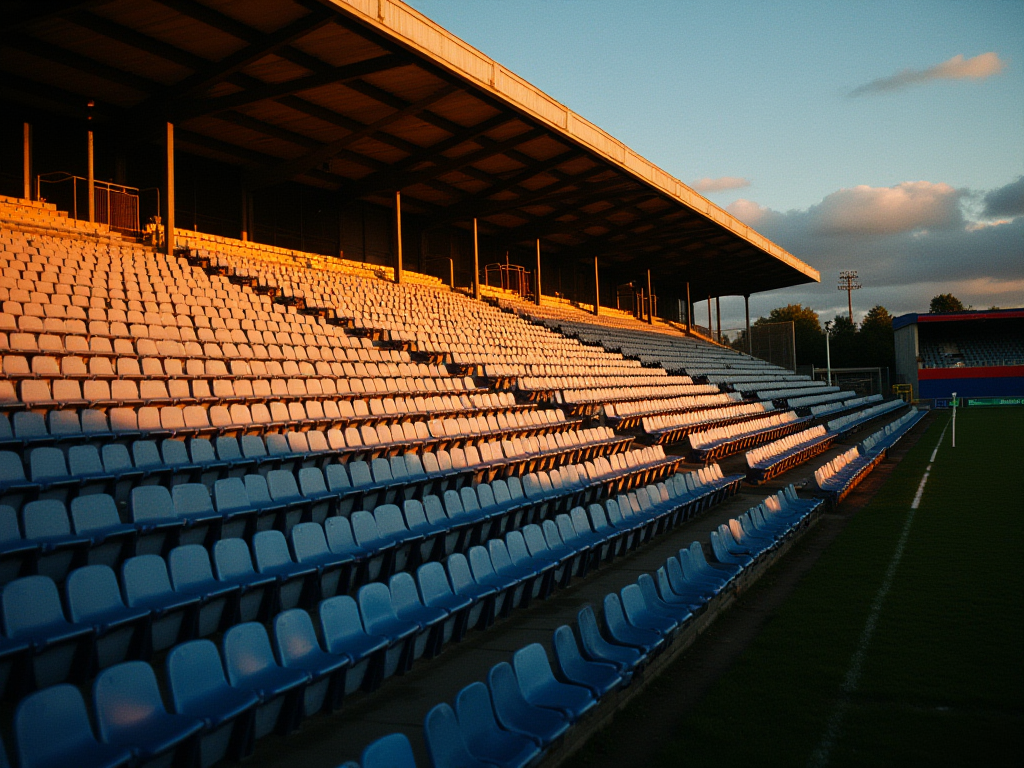
The air around the Waterford Regional Sports Centre always crackles with expectation, and rightly so. The faithful turn up in numbers, demanding passion and performance from The Blues. While individual commitment and flashes of brilliance have been evident in recent outings, a deeper tactical dive reveals areas where Jon Daly's squad can refine their approach to truly cement their place and climb the League of Ireland Premier Division table. This isn't about finger-pointing; it's about finessing our blueprint for success.
Our recent form, while punctuated by periods of resilience and a never-say-die attitude, has also highlighted a recurring pattern: a struggle for consistent control in the midfield engine room and a tendency towards predictability in the final third. Defensively, the lads often hold a tight ship, showing great organization, but there have been instances where rapid transitions from opponents have caught our full-backs high, leaving our central defenders exposed to quick balls in behind. The work rate is undeniable, but sometimes the collective pressing lacks the coordinated intensity required to truly suffocate opposing build-up play, allowing them too much time on the ball in crucial areas.
One key tweak could come in how we structure our central midfield. Currently, we sometimes see our midfielders operating in similar zones, leading to congestion but not necessarily superior control. A slight alteration, perhaps deploying one midfielder explicitly as a deeper-lying anchor – a genuine holding player – could liberate the other two to operate as more dynamic box-to-box threats. This would provide a clearer link between defence and attack, offering a vital shield for the back four while also being the springboard for quicker, more incisive forward passes. Imagine the stability this could bring, allowing our creative talents further up the pitch more freedom without fear of leaving the defence vulnerable.
Furthermore, our attacking patterns, while energetic, occasionally lack the cutting edge required to consistently break down stubborn Premier Division defences. We're getting the ball wide, but are the crosses consistently finding targets? Is there enough movement off the ball in the penalty area to create space? A concerted effort on the training ground, focusing on intricate link-up play between our wide players, the striker, and advanced midfielders, could be transformative. Running drills that emphasize quick one-twos, overlaps, and varied deliveries – low driven crosses, cut-backs – would make our attacking play far less readable. We need to be more clinical, not just in front of goal, but in the entire build-up to that final shot. Maximising set-pieces, both offensively and defensively, also remains an evergreen area for improvement; a well-worked corner can be worth its weight in gold in tight encounters.
Finally, addressing defensive transitions is paramount. When we lose possession high up the pitch, the speed and efficiency of our recovery runs, especially from our wide players and full-backs, needs to be instant. This requires constant communication and a collective understanding of defensive responsibilities. By implementing specific drills focused on rapid defensive shaping after losing possession, we can minimise the threat of quick counter-attacks that have, at times, led to uncomfortable moments.
These aren't radical overhauls, but rather strategic refinements that could unlock a new level of performance for The Blues. The gaffer's philosophy of hard work and commitment is evident, and with these tactical adjustments, combined with the unwavering support of the Waterford faithful at the RSC, we can absolutely turn these promising flashes into consistent, winning performances and truly make our mark in the Premier Division. The potential is immense, and a sharper tactical sword will help us carve out the success we all crave.