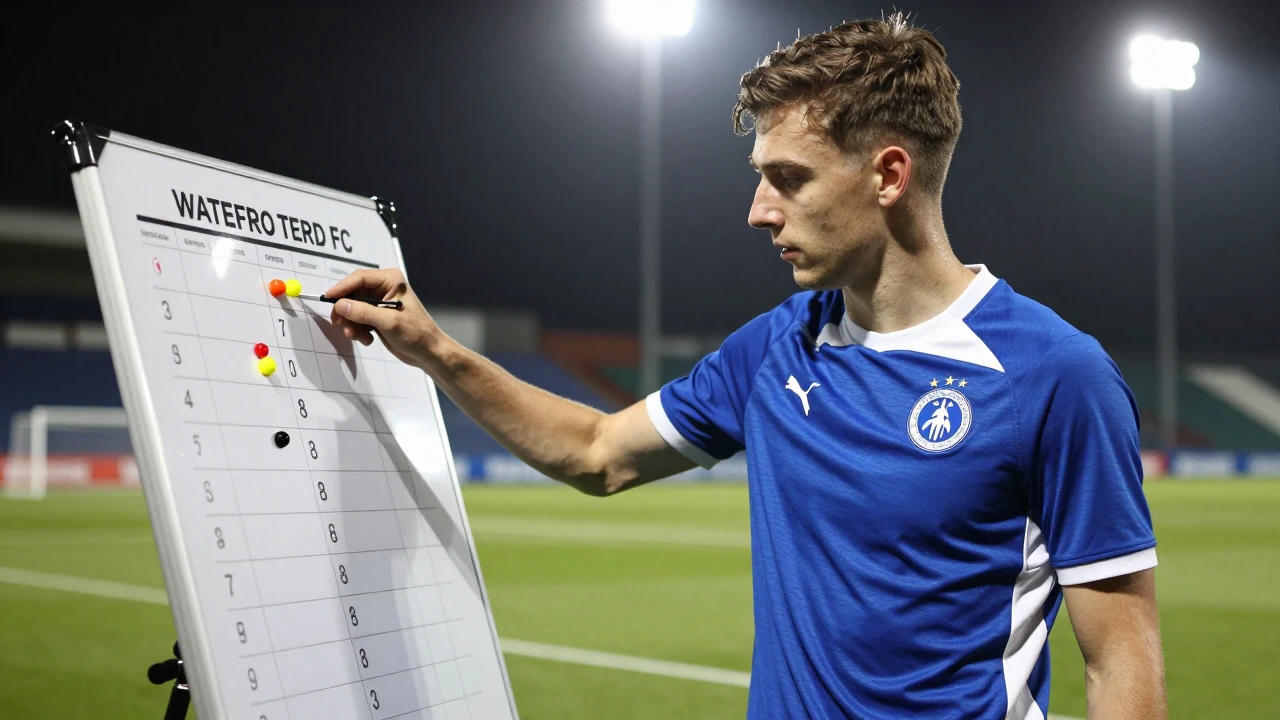

On 12 October 2002, legendary midfielder Roy Keane sat down with Tommy Gormley, a conversation that would reverberate through the corridors of Waterford FC. Gormley's decision to go on strike led to significant implications not only for his career but also for the club's aspirations. This unfortunate saga illustrates the complexities of player-club relationships and the often-overlooked human element in football.
The Background of Tommy Gormley’s Career
Tommy Gormley was a promising talent who had made a name for himself at Waterford FC, known for his agility and tactical awareness on the pitch. He played a key role in the club's midfield, contributing to their competitive stance in the League of Ireland Premier. However, as opportunities arose in England, Gormley found himself torn between loyalty to his hometown club and the allure of a professional career abroad.
In the early 2000s, the landscape of Irish football was shifting. Many players sought opportunities in England, where the financial rewards were more substantial. Gormley was no exception, and his aspirations were complicated by the club's financial demands. Instead of supporting his potential move, Waterford's management was perceived as putting greed above the player's future, ultimately leading to a standoff that would end Gormley's career at the club.
The Conversation with Roy Keane
Keane, then a dominant figure at Manchester United, was known for his no-nonsense attitude and leadership qualities. His conversation with Gormley was more than just a casual chat; it was a moment that could have defined Gormley's career. Keane aimed to persuade Gormley to pursue his dreams, but he also had to handle the tricky waters of club loyalty and ambition.
The essence of their discussion revolved around Gormley’s potential move and the barriers he faced. Keane’s insights were invaluable, providing a glimpse into the mindset of a top professional. However, the conversation also highlighted the harsh realities of football: the sacrifices players often have to make, and the emotional toll that decisions can impose.
Gormley's Strike: A Turning Point
Following his conversation with Keane, Gormley made the contentious decision to go on strike. This move stemmed from his frustration with Waterford's management, who he felt were obstructing his path to success. The strike was a significant moment.
- Gormley’s strike led to:
- A complete halt of his career with Waterford FC.
- A lost opportunity for a move to England.
- Deepening rifts between the player and club management.
The backlash from fans and the club's hierarchy was swift. Many supporters were torn, sympathising with Gormley’s ambitions while also feeling betrayed that he would abandon the club that nurtured his talent. This decision was ultimately a sad end to a promising chapter for both player and club.
Waterford's Response and Future Implications
Waterford FC's management faced a difficult task in the wake of Gormley’s strike. The club had to handle the fallout, ensuring that their policies reflected a balance between player welfare and financial sustainability. The incident led to increased scrutiny of the club's operations and sparked discussions about how to better manage player aspirations.
Fans expressed mixed emotions. Some felt anger towards Gormley, while others understood the frustrations that led to his drastic actions. The club's management had to consider how to restore faith among supporters while also ensuring that future talents would not feel cornered by similar circumstances.
What this means for Waterford
For Waterford FC, the Gormley saga serves as a cautionary tale. Fans witnessed the consequences of a breakdown in player-club relations, and the ripple effects of Gormley’s strike are still felt today. The club must learn from this experience to cultivate an environment where players can express their ambitions without fear of retribution.
Engaging with supporters through transparent dialogues about player decisions and aspirations could foster better relationships in the future. Additionally, creating pathways for talented players to transition to bigger leagues while being supported by the club will be vital for Waterford’s growth and success.
Historical Context: Waterford's League Journey
The early 2000s marked a tumultuous time for Waterford FC. Following Gormley’s departure, the club struggled to regain the competitive edge they once had. The loss of talent, combined with financial constraints, meant that Waterford was often battling relegation rather than vying for promotion.
In stark contrast, the club has seen a resurgence in recent years, with a more stable management structure and better player development programs. However, the memories of incidents like Gormley’s strike linger, reminding fans and management alike of the importance of nurturing homegrown talent while also respecting their aspirations.
The Wider Championship Picture
Waterford FC's narrative is intertwined with the broader context of the League of Ireland Premier. Many clubs face similar challenges in balancing player aspirations with financial realities. The championship has seen a shift towards fostering young talent, with clubs increasingly recognizing the value of supporting players while they pursue opportunities abroad.
This has led to more structured agreements between clubs and players, making transitions smoother and less contentious. Clubs that can effectively manage these relationships are likely to thrive, while those that fail to adapt may find themselves struggling, much like Waterford did in the years following Gormley’s departure.
Fan Reaction and Outlook
Fans of Waterford FC have historically been passionate about their club, and the Gormley saga was no exception. The club's supporters rallied around their team, expressing frustration but also understanding the challenges that come with football. This incident has led to deeper conversations among fans regarding how best to support both the club and its players.
The dialogue continues, with many fans advocating for changes that prioritize player welfare while also ensuring the club’s financial health. The balance of ambition and loyalty remains a hot topic, one that Waterford FC must handle carefully as they move forward.
What's next
Looking ahead, Waterford FC must learn from the past, ensuring that they create an environment where players feel valued and understood. Building strong relationships with the fanbase will be key in this process. The club is currently focused on enhancing its youth academy and establishing connections with professional clubs abroad, aiming to prevent another situation like Gormley’s.
As the club continues to evolve, it’s essential for Waterford to cultivate a culture of respect and ambition. For fans, the hope is that lessons from the past will lead to a brighter future, where homegrown talent can flourish both at Waterford and beyond.